
Understanding how cannabis is grown helps adults 19+ learn what happens from the moment a seed is planted to the time dried flower is ready for use. Cannabis plants go through distinct stages, and each step plays a role in the final aroma, flavour, and structure of the flower. While practices vary across growers and regions, the general growth process remains consistent. This guide explains the full lifecycle using plain, educational language suitable for adults who want to understand the basics.
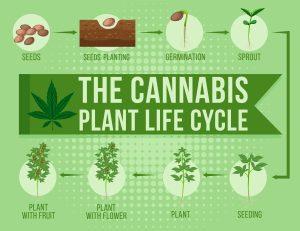
Germination: Where a Cannabis Plant Starts
The cannabis lifecycle begins with germination. A dry seed contains a dormant embryo that activates when exposed to moisture and warmth. Once the seed absorbs water, the shell cracks and a small root (taproot) emerges.
What happens during this stage:
- The seed softens and opens.
- The taproot grows downward.
- The first small leaves (cotyledons) appear after planting in soil or another medium.
This is the foundation of the entire growing process because a healthy start influences later stages.
Seedling Stage: Early Growth and Leaf Development
When the seedling emerges from the soil, it begins to form its first true cannabis leaves. These leaves have the recognizable serrated edges seen in mature cannabis plants.
Key features of seedlings:
- Delicate and sensitive to overwatering.
- Require moderate light and gentle airflow.
- Develop more leaf fingers as they grow.
During this time, the plant strengthens its stem and prepares for larger growth.
Vegetative Stage: Height, Structure, and Strength
The vegetative stage focuses on building size and structure. This is when most cannabis plants grow rapidly and develop branching.
What occurs during vegetative growth:
- The plant focuses on stems, branches, and leaves.
- Roots expand to support future growth.
- The plant needs consistent light and nutrients.
This stage can last weeks or months, depending on the grower’s goals and environment. Outdoors, timing is tied to seasonal daylight changes. Indoors, growers may extend or shorten this stage based on plant size preference.
Pre-Flowering: Signals of the Next Phase
As the plant prepares to flower, it begins showing signs of maturity. Pre-flowers appear at the nodes where branches meet the stem.
During pre-flowering:
- Plants show early signs of their sex.
- Growth slows slightly.
- The plant shifts energy toward future flower development.
This transition leads into the next major stage: flowering.
Flowering Stage: Formation of Buds
The flowering stage is when cannabis plants produce buds. In Canada and many regions, this phase begins naturally outdoors as daylight hours decrease. Indoors, growers change light cycles to trigger flowering.
What happens during flowering:
- Buds begin forming and stacking along branches.
- Aromas from natural plant compounds become stronger.
- Resin production increases as the plant matures.
Late Flowering: Ripening and Final Development
In the last weeks of flower development, the plant stops growing upward and focuses entirely on maturing its buds.
Characteristics of late flowering:
- Buds become denser.
- Natural colours may change depending on genetics.
- Resin production becomes more visible.
Growers closely observe plant maturity during this phase to determine the best time to harvest.
Harvesting: Removing the Mature Flower
Once the plant reaches its desired level of maturity, growers cut the branches or the entire plant. Harvest timing affects aroma, flavour, and bud density, so growers rely on experience and visual cues rather than a single fixed date.
Common harvest steps:
- Removing excess leaves.
- Cutting branches into manageable pieces.
- Preparing the flower for drying.
Harvesting marks the end of growth but not the final step in production.
Drying: Reducing Moisture for Safe Storage
Drying stabilizes the cannabis flower. Fresh cannabis contains significant moisture, and slow drying allows the plant material to settle, preserve its natural compounds, and minimize the risk of uneven texture.
Drying involves:
- Hanging branches or placing buds on drying racks.
- Keeping the environment cool, dark, and ventilated.
- Allowing the process to take several days.
Proper drying reduces the chance of excess moisture causing issues during storage.
Curing and Its Role in Aroma and User-Described Smoothness
Curing is the final stage after drying and is discussed widely among adults for how it relates to aroma, flavour, and texture. It takes place once the flower has been dried and helps stabilize the plant material before storage.
Curing includes:
- placing dried buds in airtight containers
- allowing moisture to settle within the buds
- periodically venting containers to maintain freshness
Many adults report that curing is the stage where aromas become more noticeable, flavours seem clearer, and the texture feels more consistent. These impressions are personal and based on individual experience.
How Is Cannabis Grown in Canada?
While methods vary, the stages remain the same. Canada’s climate creates distinct outdoor seasons, so many growers rely on greenhouses or indoor setups to maintain consistent conditions. Regardless of location, cannabis growing stages follow the same general lifecycle described above.
FAQs
How is a cannabis plant grown?
A cannabis plant is grown by germinating a seed, developing it through the seedling and vegetative stages, then flowering, harvesting, drying, and curing the buds.
How is cannabis produced?
Cannabis is produced by growing plants through their natural life stages, harvesting the mature flower, and preparing it through drying and curing.
Where does cannabis grow from?
Cannabis grows from a seed that develops roots, stems, leaves, and eventually produces buds.
How does a cannabis plant start?
A cannabis plant starts when a seed absorbs moisture, sprouts a taproot, and begins growing leaves as a seedling.
